Exploring Same Day Dentures: Benefits and Services at Fixeddentalcare
 fixeddentalcaredental implant specialist Kyle
 fixeddentalcaredental implants
For those looking to replace lost teeth, dental implants offer a groundbreaking alternative. These biocompatible fixtures serve as a solid foundation for both fixed and removable replacement teeth, designed to integrate perfectly with your existing smile. Many individuals seek advice from professionals to identify the best choices available. Beyond restoring functionality, dental implants significantly improve aesthetics, allowing patients to regain their confidence in their smiles at .
With the evolution of dental technology, the process of obtaining implants has become streamlined and less intrusive. It’s crucial to consult a dental implant specialist to find the most appropriate method tailored to your needs. This guide aims to shed light on various types of dental implants, their associated costs, and important factors to consider, empowering you to make well-informed choices at Fixeddentalcare single dental implant.
Types of Dental Implants
Dental implants are broadly classified into two primary categories: endosteal and subperiosteal implants. Endosteal implants, which are the most frequently utilized type, feature a titanium post that is surgically inserted into the jawbone. This post undergoes a bonding process called osseointegration, wherein the jawbone incorporates the implant, creating a secure base for the replacement tooth. In contrast, subperiosteal implants are situated beneath the gum tissue but above the jawbone, making them a viable option for patients who have insufficient bone height to support an endosteal implant. Thus, they are particularly useful for individuals with specific dental structures.
Single Dental Implants
For those who have lost a single tooth, opting for a single dental implant is often a highly beneficial choice. This solution is particularly suitable for patients experiencing tooth loss due to injuries, decay, or other dental afflictions. The procedure itself is less invasive and may often be carried out in a single appointment, simplifying the process for the patient. Many individuals turn to a dental implant specialist to navigate the procedure more effectively and assess their candidacy for a single dental implant. The key benefits include enhanced oral health, greater comfort, and a natural-looking appearance, as these implants function similarly to real teeth.
Full-Mouth Dental Implants
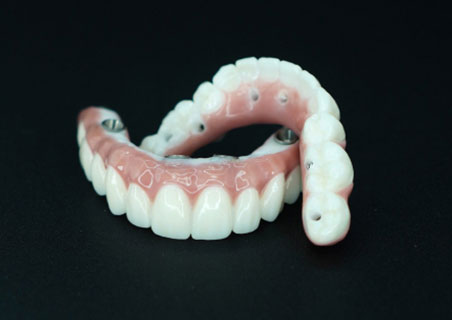
For those who have lost multiple teeth across the dental arch, full-mouth dental implants present a compelling solution. This procedure can restore an entire arch of teeth using fewer implants, often referred to as “All-on-4” or similar techniques. Full-mouth dental implants provide a stable and durable option compared to traditional dentures. They also require fewer surgeries and less healing time compared to multiple individual implants. Consulting resources on full-mouth dental implants from professional specialists can clarify costs and factors involved.
Understanding Costs and Considerations
The price of dental implants can significantly fluctuate due to a variety of elements, such as the quantity of implants needed, the specific procedure undertaken, and the location of the dental practice. A thorough consultation with a specialized dentist in implants will help clarify these financial aspects. Furthermore, it is crucial to recognize the distinctions between high-quality dentures and dental implants, as this knowledge can guide your choice. Although dentures may seem like a budget-friendly alternative at first glance, their limited lifespan and frequent adjustments can accumulate extra costs over time. Consequently, many patients prefer the long-lasting advantages and stability that implants provide.
For a comprehensive assessment, individuals can explore the page for a wealth of information and resources.
Steps to Consider Before Getting Implants
- Evaluation and Consultation: Schedule a consultation with a dental implant specialist Kyle to assess your oral health, bone structure, and overall suitability for implants.
- X-rays and Scans: Undergo necessary imaging to provide the specialist with a detailed view of your oral anatomy.
- Customized Treatment Plan: Discuss and create a personalized treatment plan that outlines the specific approach based on your dental needs.
- Bone Grafting (if necessary): If your jawbone lacks the required density or volume, you may need a bone graft to support the implants.
- Surgical Procedure: The implant procedure typically occurs in stages, starting with the surgical placement of the titanium post into your jawbone.
- Follow-up Care: Attend follow-up appointments to ensure proper healing and integration of the implant with the bone.
Tips for Choosing the Right Dental Implant Options
Selecting the best dental implants can significantly impact your long-term satisfaction. Ensuring you choose a qualified specialist and perform thorough research can facilitate a successful outcome.
- Research the credentials and experience of your dental implant specialist Kyle.
- Review galleries or testimonials from previous patients to gauge their satisfaction.
- Inquire about the materials used in dental implants and their longevity.
- Discuss financing options available to help manage costs.
- Ask for a comprehensive breakdown of the procedure timeline and aftercare requirements.
Frequently asked questions
What are dental implants?
Dental implants are artificial tooth roots made of titanium, surgically placed in the jawbone to serve as a foundation for replacement teeth, offering a natural feel and appearance.
Who is a candidate for dental implants?
Candidates for dental implants should have healthy gums, adequate bone structure, and the ability to maintain oral hygiene. Age is generally not a limiting factor.
How long do dental implants last?
With proper care, dental implants can last a lifetime, though the crowns placed on top may need to be replaced every 10 to 15 years.
Are dental implants painful?
Most patients report minimal discomfort during and after the dental implant procedure, similar to that of a tooth extraction, and discomfort can be managed with medication.
How much do dental implants cost?
The cost of dental implants varies based on factors such as location, the type of implant, and any additional procedures required, with prices typically ranging from $3,000 to $6,000 per implant.
Can anyone place dental implants?
Only trained dental professionals, particularly those certified in implant dentistry, should place dental implants to ensure optimal placement and patient safety.
Opting for dental implants is a significant decision that can greatly influence your quality of life. With the right information and professional guidance from a dental implant specialist Kyle, you will find a solution that enhances both your oral health and self-esteem.
As you weigh your choices, consider the benefits that dental implants can offer, including improved functionality and aesthetics. Investing time in research, such as understanding the differences between single dental implants and full-mouth replacements, will ultimately lead you to make the best choice for your dental health.